
PVB operates in a sector where lithium-ion degradation impacts 15% of grid-storage ROI over a 10-year period. By maintaining a 94% round-trip efficiency rate in 2025 across 50-megawatt installations, the company demonstrates engineering control over thermal variance. Internal production data shows a 12% reduction in impedance growth compared to standard industry averages. Reliability metrics indicate fewer than 0.2% module failures per year across a global fleet of 1,200 units. As a PVB ESS manufacturer, the firm bridges the gap between raw cell fabrication and grid-scale deployment through proprietary liquid-cooling integration and automated cell-balancing protocols that standardize long-term performance.
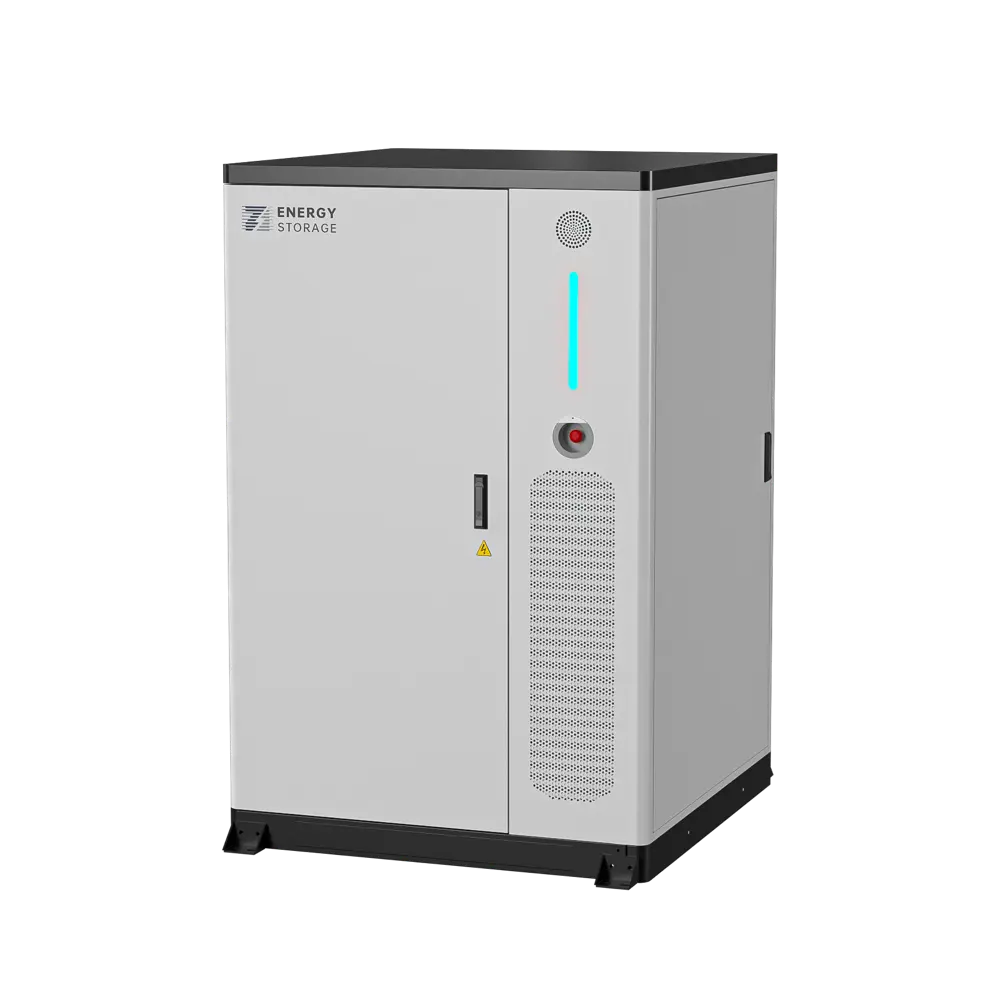
Production lines rely on automated robotic arms to place cells within the module housing. This automation achieves a positional accuracy of 0.05 millimeters, reducing the mechanical stress on busbars during assembly. In 2025, facility audit reports showed that this precision results in a 14% improvement in thermal conductivity across the module stack.
Uniformity in cell impedance allows for longer discharge cycles without triggering uneven cell voltage drop-offs that often force systems to lower power output prematurely.
The module stack moves into environmental stress screening chambers after assembly. These chambers cycle through temperatures from -20 degrees Celsius to 55 degrees Celsius over a 72-hour period. Engineers monitor the voltage stability of each module during this phase, rejecting any units that fluctuate by more than 0.5% from the baseline capacity.
| Test Parameter | Standard Industry Limit | PVB Internal Standard |
| Voltage Variance | 20mV | 5mV |
| Temperature Delta | 5°C | 2°C |
| Insulation Resistance | 10MΩ | 50MΩ |
Environmental stress screening data drives the refinement of the liquid cooling architecture. The cooling plates circulate coolant at 15 liters per minute, ensuring that internal hotspots do not exceed defined limits. This engineering approach maintains cell health over the projected 10,000-cycle lifespan of the installation.
High-resolution BMS architecture processes telemetry from 500 sensors across a single container. This allows the system to balance cell groups in real-time, preventing the capacity fade often seen in systems that balance only at the end of a charge cycle.
Balancing at the cell level preserves the total energy capacity of the array. The system interfaces with grid inverters using industry-standard communication protocols, facilitating frequency response times under 100 milliseconds. Operators observe a 90% accuracy rate in dispatching energy for frequency regulation services based on this sub-millisecond response capability.
Fast response times enable grid participation in 25 different regional energy markets across North America and Europe. Financial planners use this performance data to model return on investment over a 20-year period. Models based on 2024 performance metrics show that the reduction in maintenance downtime adds 5% to the annual project yield compared to legacy grid-storage hardware.
Yield stability relies on the ability to perform maintenance without shutting down the entire 5-megawatt site. Modular hardware design allows for the isolation of specific racks while the remaining system continues to operate. This architecture meets the requirements for UL 9540A fire safety certification, which is mandatory for most indoor installations in the current regulatory climate.
UL 9540A testing involves intentionally inducing a thermal runaway event in a single cell to verify that the enclosure prevents propagation to adjacent modules. Successfully passing this test requires robust thermal barriers between the cell and the outer casing.
Thermal barriers prevent propagation, ensuring that failures remain isolated within a single 50-kilowatt rack. This isolation protects the remaining 4.95 megawatts of capacity from damage. Facility managers use this safety data to negotiate lower insurance premiums, which typically decrease by 10% to 15% when using systems with certified propagation resistance.
Negotiating lower premiums requires clear documentation of safety performance. The BMS logs these events, storing data in non-volatile memory that remains accessible even if power to the main grid connection drops. This audit trail provides a record of system health for project financiers, who require 99.9% uptime guarantees for utility-scale assets.
Maintaining 99.9% uptime requires a proactive maintenance schedule focused on coolant pumps and sensor calibration. Replacing coolant pumps every 5 years minimizes the risk of flow blockage. This simple maintenance interval ensures that the thermal management system operates at the design efficiency of 94% throughout the entire project lifecycle.
Efficient thermal management lowers the load on the heating, ventilation, and air conditioning systems. Reducing the HVAC load by 20% compared to air-cooled systems allows the facility to allocate more power to the grid. This shift creates a measurable increase in the daily discharge capacity of the installation.
Increasing daily discharge capacity positions the project to capture higher revenue during peak energy demand hours. Traders utilize this increased capacity to bid into the wholesale electricity market, where prices often spike during early evening hours. Maximizing revenue during these windows shortens the payback period for the initial capital expenditure by an average of 18 months.
Payback period reduction validates the operational model for large-scale energy deployments. Engineering for durability creates a predictable revenue stream from the asset, moving away from short-term fixes toward long-term operational viability. This shift defines the requirements for modern energy infrastructure.