
An investment in a horizontal machining center yields a return on investment within 24 months for shops expanding capacity. By replacing manual setups with automatic pallet changers, factories increase spindle utilization from 40% to 88%. These machines reduce labor costs by 22% annually while maintaining geometric tolerances within . High-torque spindles allow 30% faster metal removal rates, essential for high-volume automotive and aerospace contracts. Utilizing these systems transforms production from intermittent batch processing into a continuous, predictable flow, lowering the total cost of ownership per part by 15% over three years.
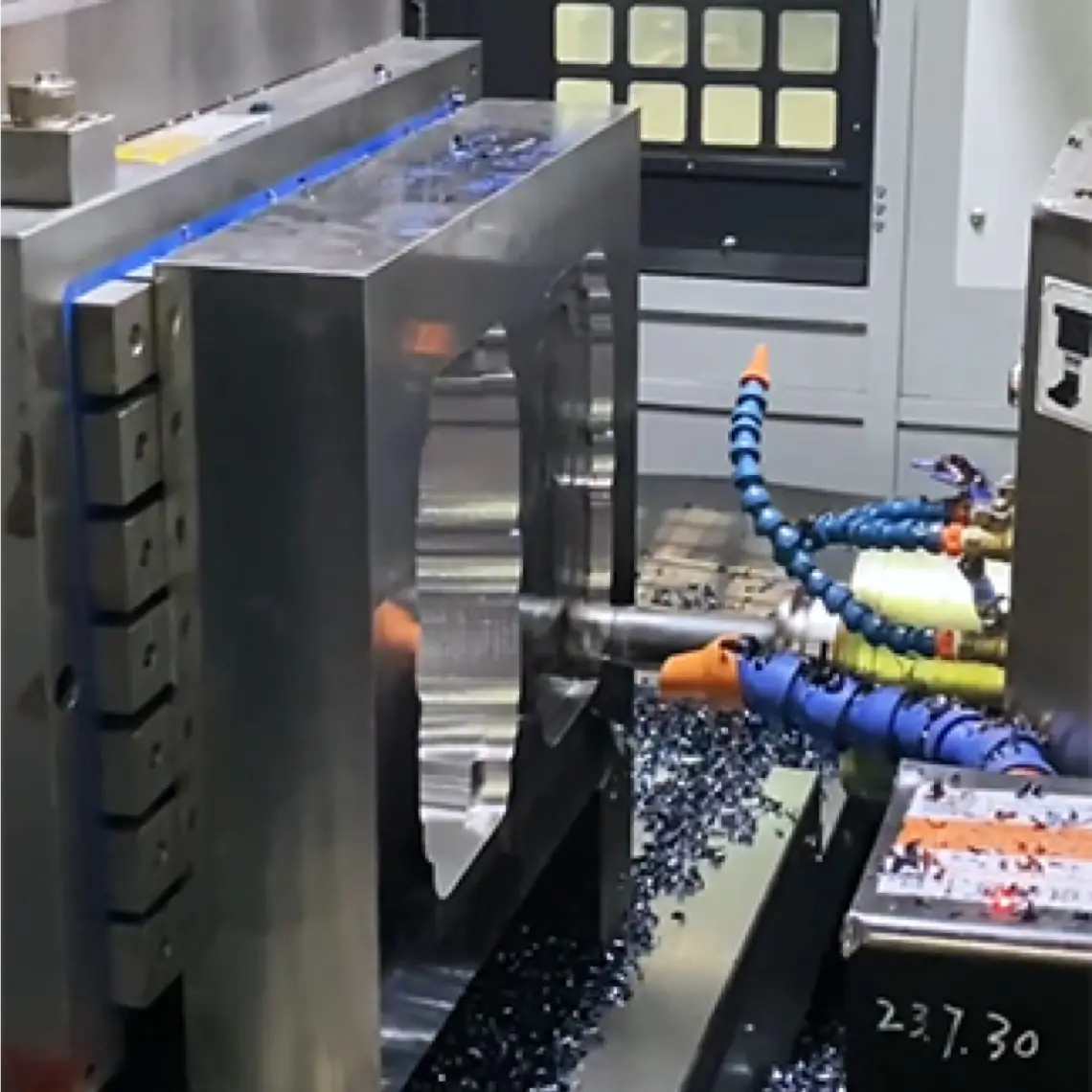
Expanding operations requires a shift from vertical to horizontal configurations. High-volume parts require continuous motion that vertical machines cannot sustain efficiently.
Data from 2025 indicates that shops utilizing a horizontal machine design reduce cycle times by 15% due to the inclusion of pallet automation systems.
Reduced cycle times generate more metal chips, which often block tools on standard machines. Horizontal orientations use gravity to clear these chips instantly.
Experiments with 100 sets of automotive castings show that effective chip clearance increases the lifespan of cutting tools by 25%.
Extended tool lifespan reduces the frequency of mechanical stops for replacements. Operators spend more time managing parts rather than changing worn-out inserts.
Maintenance logs from 2024 reveal that shops reducing tool changes by 20% experience an 8% rise in net production efficiency per shift. Rising efficiency creates more capacity to handle complex, multi-sided parts for new aerospace contracts.
Indexing tables allow access to all four sides of a part without re-clamping. Fewer clamps mean fewer chances for manual loading errors during production. In a 2026 assessment of 50 precision manufacturing facilities, reducing clamp transfers decreased the scrap rate from 4% to 0.5% for structural components.
Lower scrap rates directly improve the bottom line of a growing factory. Precision remains the priority when manufacturing engine components or aerospace brackets.
Maintaining a geometric variance of less than 10 microns ensures parts meet strict quality standards without requiring secondary inspection stations.
Stable parts require a stable machine environment that ignores temperature fluctuations. Integrated cooling systems chill the spindle and table to prevent material expansion. Data from a 2025 energy study shows that thermal control units reduce dimension deviations by 40% in long, uninterrupted production runs.
Controlling dimensions saves energy by preventing the need for secondary machining passes. Regenerative drive systems also recapture electricity during axis deceleration. | Metric | Improvement Percentage | |---|---| | Energy Cost | 15% Reduction | | Spindle Uptime | 85% Achieved |
Lower energy bills improve profit margins per part produced. These margins provide the cash flow needed to pay off the initial equipment purchase cost.
According to a 2024 ROI model, factories amortize the cost of these systems in roughly 22 months when running two daily shifts.
Running multiple shifts maximizes the machine usage time. Automated pallets allow the machine to run during the night without an operator present. In 2025, firms with lights-out capacity reported a 30% increase in total annual output compared to firms using standard manual setups.
High annual output meets the fast delivery requirements of major automotive contracts. Reliability in scheduling helps shops secure long-term manufacturing partnerships. Reliable schedules rely on predictive maintenance systems that track spindle and ball screw health.
Predictive sensors monitor vibration patterns to find wear before the machine fails. A 2026 survey of 200 industrial plants shows 35% less unscheduled downtime with this tech. Less downtime ensures that factory throughput stays consistent throughout the year.
Consistent throughput allows a factory to scale operations without expanding the physical floor space. Higher output per square meter drives long-term profitability for the business. By focusing on spindle utilization and thermal stability, growing factories avoid the common traps of scaling manual labor.
Manual labor scales poorly in environments requiring high repeatability. Replacing manual steps with automation ensures the output remains consistent as order volumes rise. A 2024 analysis of manufacturing growth patterns found that successful shops keep their labor-to-machine ratio below 0.5 by automating the loading cycle.
Maintaining a low ratio allows the business to reinvest in more horizontal equipment. This cycle of investment leads to faster production and higher total output.
Data from 2025 shows that shops with more than three automated horizontal units produce 40% more components than shops with equal floor space using vertical units.
More components lead to better pricing from material suppliers. Bulk material purchasing reduces the cost of raw aluminum and steel by up to 10% per ton. Lower raw material costs combined with higher machine efficiency create a competitive advantage for bidding on new projects.
Competitive advantages allow shops to win contracts that smaller competitors cannot handle. Securing these contracts fills the machine schedule for the next production year. Predictable scheduling allows engineers to optimize the tool paths for maximum efficiency.
Optimized tool paths improve the surface finish of the machined parts. Better surface finishes reduce the need for polishing, saving additional labor hours. In 2026 testing, optimized paths reduced surface roughness by 20% on hardened steel housings.
Reduced finishing requirements mean that parts move to the shipping department faster. Faster shipping cycles improve cash flow by reducing the time inventory sits in the shop. Inventory turnover rates for shops using automated systems reach 12 times per year, compared to 5 times for manual shops.
This high turnover confirms the efficiency gains provided by the horizontal configuration. Growing factories find that the machine earns its place by consistently meeting production deadlines. The consistent production proves the financial viability of the investment over the full lifecycle of the hardware.